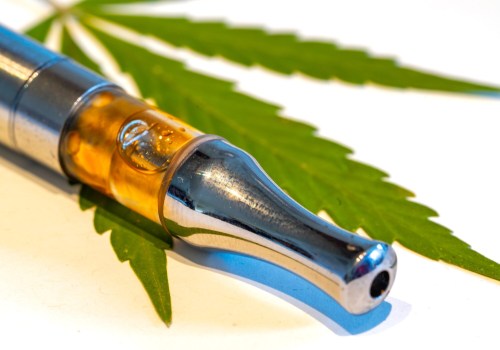
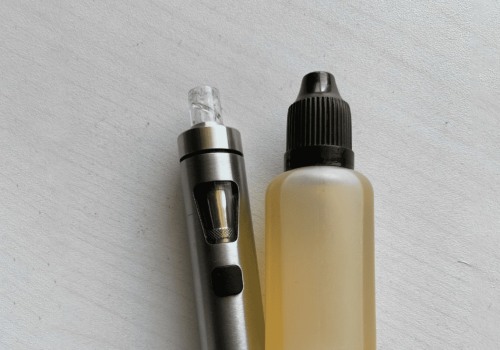
Expanding a CBD vape brand into new markets can seem like a strong growth opportunity, but the legal challenges are often more complicated than many business owners expect. CBD vape products sit at the intersection of hemp regulation, consumer safety rules, vaping laws, labeling requirements, age restrictions, advertising standards, and sometimes state-specific cannabinoid controls. A product that is acceptable in one jurisdiction may face restrictions in another based on ingredients, THC concentration, flavor rules, device type, packaging, or sales channel. This makes expansion more complex than simply finding new retailers or launching online shipping to additional states. Before entering a new market, businesses must understand whether CBD vape products can be legally sold there, what documentation is required, and whether local rules impose stricter standards than federal hemp law.
Product Compliance Can Vary by Location
One of the biggest challenges involves product classification and testing. CBD vape brands may need certificates of analysis, batch records, ingredient disclosures, warning labels, and proof that THC levels remain within legal limits. Some states may restrict inhalable hemp products, synthetic cannabinoids, certain additives, or flavored vape items. Others may require special registration before products can be sold. If a company assumes that one compliant label works everywhere, it may face product seizures, fines, retailer disputes, or forced recalls. Packaging must often include age warnings, usage cautions, manufacturing details, and accurate cannabinoid content. These requirements protect consumers but also create legal risk when brands expand without reviewing each market carefully.
Marketing and Distribution Add More Risk
Marketing CBD vape products can create additional problems because businesses must avoid unsupported health claims, misleading effect descriptions, or promotions that appeal to minors. Online advertising, influencer campaigns, product descriptions, and retail displays may all be regulated differently depending on the market. Legal professionals, including firms such as Jordan Law Accident & Injury Lawyers, understand how documentation, liability, and consumer-facing representations can affect a company when legal responsibilities are closely examined. For CBD vape brands, that same principle applies because inaccurate claims or incomplete disclosures can trigger regulatory scrutiny, customer complaints, or lawsuits. Distribution agreements should also clarify who is responsible for compliance, shipping restrictions, returns, recalls, and retailer training.
Careful Planning Supports Sustainable Growth
A CBD vape brand entering new markets should review state laws, local ordinances, labeling rules, testing requirements, tax obligations, age-verification procedures, and retailer licensing standards before selling products. Businesses should also maintain updated compliance files, monitor regulatory changes, and train sales teams to avoid making claims that go beyond approved product information. Growth is safest when legal review happens before inventory is shipped, contracts are signed, or marketing campaigns are launched. While demand for CBD products may remain strong, vape products receive heightened attention because they involve inhalation, youth-access concerns, and evolving public health rules. By treating compliance as a central part of expansion strategy, CBD vape brands can reduce avoidable risk, protect their reputation, and build stronger relationships with retailers and consumers in each new market.